
Septic systems are the quiet workhorses of your home. Most of us don’t think about them—until something goes wrong. If you live in or around septic pumping in Athens, you know how stressful it can be when your system backs up, your yard gets soggy, or a foul smell hits you at the worst time.
But here’s the thing: most problems aren’t just “bad luck.” They usually come from myths, misinformation, or advice that sounds good online but costs you a ton of money. I’ve seen homeowners skip maintenance, trust gimmicky products, or follow advice that just doesn’t make sense—and end up paying thousands in repairs.
Here’s my honest take on 10 septic pumping myths that are actually costing you money, what usually works, what often fails, and the kind of practical judgment I would give if I were advising a neighbor.
1. “You Only Pump Every 5 Years”
This one is everywhere. People act like a five-year schedule fits every household. The truth? It doesn’t. How often you pump depends on tank size, household size, water usage, and whether you run a garbage disposal.
Some homeowners ask, “Do I really need to pump my septic tank more than once every five years?” The answer is usually yes for larger households. Smaller households with minimal water use might stretch it to five, but it’s risky to assume. Inspecting your tank annually and pumping based on actual sludge levels is the smart move. Following a strict five-year schedule can waste money or, worse, lead to a costly emergency. According to the EPA, proper maintenance prevents drainfield failure, which can cost $5,000–$20,000+.
What usually works: Inspect annually, pump when needed.
What often fails: Blindly following a calendar.
My take: Stop treating septic systems like a one-size-fits-all routine—they’re all different.
2. “If My Toilet Flushes, Everything Is Fine”
Flushing smoothly doesn’t tell you much. A system can be dangerously full and still flush okay. Early signs like slow drains, gurgling pipes, or wet patches in the yard are much better indicators.
I often hear people say, “How do I know when my tank actually needs pumping?” Watching for these subtle signals is key. Waiting for a full backup before acting is the kind of mistake that costs thousands.
What works: Watch your drains and yard, and schedule inspections if anything seems off.
What fails: Trusting your toilet as the system’s report card.
My take: Flushes can lie. A little vigilance saves a lot of money.
3. “Garbage Disposals Don’t Affect Septic Health”
Garbage disposals are convenient, but they send more solids into your tank. That means more frequent pumping.
You might wonder, “Will using my garbage disposal mean more frequent septic service?” Almost always, yes. Extra solids build up faster than you think. A system can handle occasional scraps, but regular disposal use adds up, and ignoring it is one of the easiest ways to waste money.
What works: Either limit disposal use or plan for extra pumping.
What fails: Thinking your system will magically digest everything.
My take: Convenience has a price, and in this case, it’s more frequent pumping.
4. “Septic Additives Can Replace Pumping”
Additives claim to digest solids and reduce pumping needs. In reality? They barely make a difference. The EPA doesn’t recommend them as a substitute for proper pumping.
Some homeowners ask, “If I use additives, can I skip pumping?” Nope. Spending money on bottles that promise miracle results is usually wasted.
What works: Stick to professional pumping schedules.
What fails: Trusting gimmicky products to save you money.
My take: Save the money for the real thing—a professional pump-out.
5. “Tree Roots Won’t Harm My System”
Trees are beautiful, but their roots can be sneaky. Plant them too close to your tank or drainfield, and roots can infiltrate pipes, causing blockages or expensive damage.
“Do roots really cause septic problems?” is something I get asked a lot. The answer is yes—at least 20–30 feet away from the tank or drainfield is safest.
What works: Keep trees and big shrubs at a safe distance.
What fails: Planting them close because it “looks nice.”
My take: Shade is lovely, but it’s not worth a broken pipe or drainfield.
6. “Only Old Systems Fail”
Even new septic systems can fail if misused. Flushing wipes, medications, leftover food, or high water use can overwhelm a system quickly.
“Can a new system really fail?” Absolutely. Age matters less than care and usage. Even brand-new systems need inspections and responsible water use.
What works: Treat every system with respect and inspect regularly.
What fails: Assuming “new = perfect.”
My take: New doesn’t mean invincible—don’t let false security fool you.
7. “No Smell Means Everything Is Fine”
No smell doesn’t equal a healthy system. Issues can happen deep underground before any odor reaches the yard.
Some people ask, “Why does my yard sometimes smell after pumping?” A faint smell right after service is normal, but persistent odors usually indicate a problem.
What works: Rely on inspections, not your nose.
What fails: Assuming no smell means no issues.
My take: Smell is a poor diagnostic tool—don’t count on it.
8. “Pumping Too Often Damages the System”
Some think frequent pumping is harmful. Truth? Skipping it is far worse. Solids can overflow into the drainfield and cause expensive damage.
What works: Pump when inspections suggest.
What fails: Avoiding pumping out of fear.
My take: Timely pumping protects the system. Overdoing slightly is harmless.
9. “I Can DIY Septic Pumping”
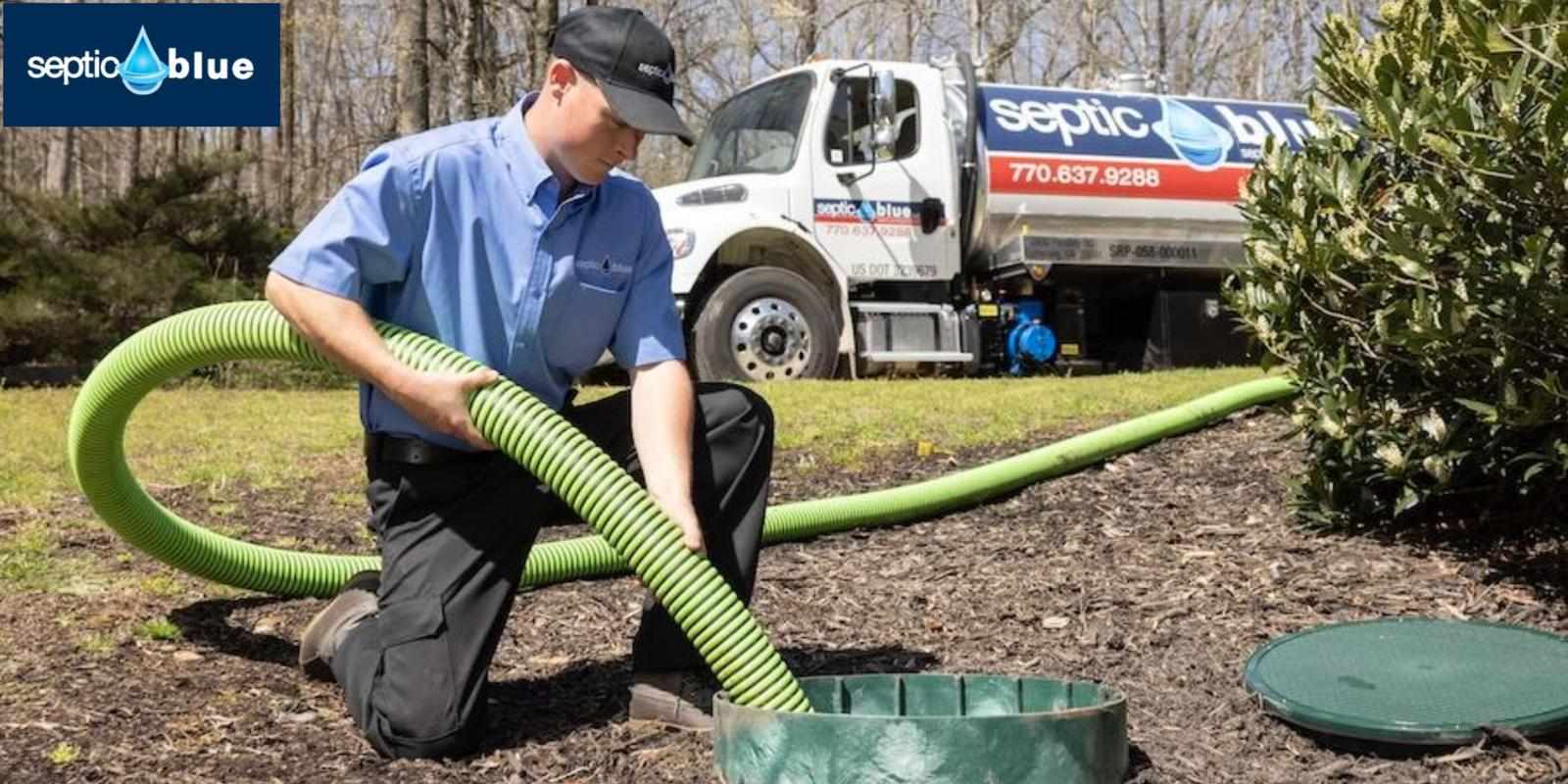
DIY is tempting, but septic pumping isn’t a weekend project. Professional service involves heavy equipment, safety precautions, and proper waste disposal.
“Can I pump my own septic tank?” In most cases, no—it’s too risky and potentially dangerous.
What works: Hire licensed professionals.
What fails: Attempting DIY, risking contamination and fines.
My take: Some projects are worth paying for, and this is one of them.
10. “A Small Tank Is Fine If Kept Clean”
Tank size matters. A small tank for a large household means more frequent pumping and higher costs.
What works: Install the right tank size upfront.
What fails: Skimping and paying for repeated pump-outs.
My take: A proper tank size saves thousands in long-term headaches.
Quick Reference Table: Myths vs Reality

Why These Myths Cost You Money
Believing myths often leads to over-servicing (wasting money) or under-servicing (costly repairs). A drainfield replacement can cost $5,000–$20,000, while a professional pump averages $300–$600.
The smartest way to save money is simple: inspect regularly, pump based on need, watch your water usage, and avoid shortcuts.
Conclusion
Septic systems aren’t glamorous, but knowing how they really work can save you thousands. Don’t fall for myths. Timely inspections, proper pumping, and simple care are all you need. If you’re in Monroe and want a team that knows the local soil, weather, and system needs, Septic Blue of Monroe is a trusted partner. They help homeowners avoid costly mistakes and keep their septic systems running smoothly for years.
Faqs
1. How often should I have my septic tank pumped?
It really depends on your household size, tank capacity, and water use. Most homes benefit from inspections every year and pumping every 2–5 years, rather than following a rigid schedule. Bigger families or homes with garbage disposals may need pumping more often.
2. Are “flushable” wipes safe for my septic system?
No. Despite the label, flushable wipes don’t break down like toilet paper. They can cause clogs and damage your drainfield, leading to more frequent pumping and expensive repairs.
3. Can tree roots really damage my septic system?
Yes. Roots can grow into pipes or the tank, causing blockages or leaks. Planting trees at least 20–30 feet away from your system is the safest approach.
4. Does heavy rain affect septic performance?
Absolutely. Excess rain can saturate the soil around your drainfield, slowing absorption and sometimes causing pooling or backups. During very wet seasons, extra vigilance is needed.
5. Can I pump my septic tank myself?
DIY septic pumping is risky and not recommended. Professional service ensures proper equipment, safety, and legal waste disposal. Attempting it yourself can contaminate your yard and local water, and it’s generally not worth the risk.



Write a comment ...