
If your yard or bathroom suddenly smells like rotten eggs, you’re not alone — and yes, it’s usually your septic system trying to tell you something. According to the EPA, over 20% of U.S. homes use a septic system, and honestly, most people don’t maintain them until something stinks (EPA.gov). If you’re already catching that bad Septic Tank Smell, especially if you’ve been putting off things like septic pumping in Athens, don’t wait too long. These problems don’t magically fix themselves.
Septic systems are simple but touchy. When everything is working right, you won’t smell a thing. When something’s off — clogs, overflows, weak bacteria, vents blocked — those gases push back into your home or yard. And trust me, once that smell starts, it only gets worse.
Let’s talk about the real reasons septic tanks smell, what usually helps, what often doesn’t, and when you should call someone like Septic Blue of Monroe before the mess gets bigger (and more expensive).
Why Does a Septic Tank Even Smell?
In simple words:
Your septic system is struggling.
A normal, healthy tank traps waste and gases underground where they belong. But when something interrupts that process, the gases escape — and your nose becomes the first victim.
Most common signs include:
Drains slowing down
Toilets gurgling
Smells near the yard or bathrooms
Wet patches around the drain field
Backups after rain
When you smell something, there is a reason. Your job is just to find it before it gets out of hand.
Problems Most Homeowners Run Into
If you’ve lived in the USA long enough and have a septic system, you’ve probably seen at least one of these:
Toilets flushing slower every week
That weird gurgle at night
A patch of super-green grass over the drain field
Water pooling for no good reason
Smell after guests visit
Smell after heavy rain
I’ve seen people dump bleach, pour boiling water, or try “flushable” wipes to fix the smell. None of those work. In fact, many make it worse.
The truth? Septic issues need simple, steady maintenance — not random DIY experiments.
How Septic Blue Actually Fixes Septic Odors
Some companies show up, pump the tank, and leave. That works… sometimes. But not always.
Septic Blue of Monroe take a more complete approach:
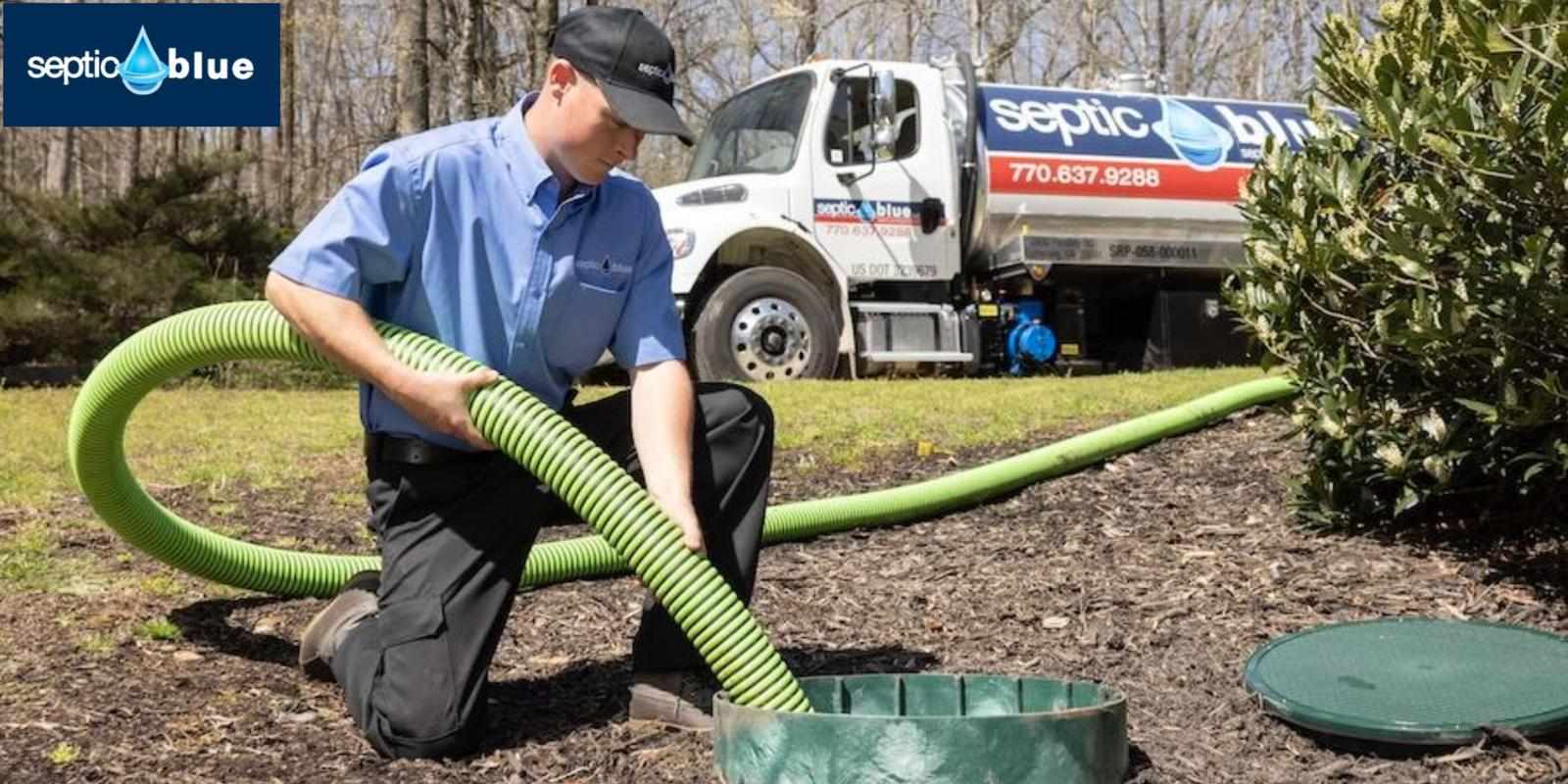
Full tank pumping
Drain field inspection
Camera inspection of lines
Enzyme treatments (these really help over time)
Hydro-jetting when lines are packed with sludge
Emergency repairs
Field line replacement when things are too far gone
I prefer companies that explain what’s happening instead of just pumping and running. Septic Blue usually does that, and it saves people a lot of confusion.
Alright — let’s go through the real causes.
7 Real Reasons Your Septic Tank Smells (and What You Should Actually Do)
1. Your Tank Is Just Full (Most Common, Most Ignored)
This is the number one cause, and honestly, the easiest to fix.
Why it stinks
When the tank fills up, waste pushes higher.
Gases escape.
The system can’t breathe.
Simple as that.
Signs
Slow toilets
Odors in sinks
Wet yard spots
Backups after laundry day
What actually works
Pumping the tank.
Not chemicals.
Not bleach.
Not pouring vinegar or baking soda.
Pump it every 3–5 years, depending on family size. Ignoring this always backfires — literally.
2. Your Roof Vent Is Blocked
Most people forget they even have a plumbing vent. Until it clogs.
Why it stinks
Those vents release septic gases.
When blocked, the gases go back down — into your home.
What works
Clearing the vent.
A professional can do it safely.
What doesn’t work
Air fresheners.
They only hide the smell for about 10 minutes.
3. Your Drain Field Is Overloaded or Failing
This is the one people hate hearing, but it’s also honest.
How you know
Yard feels mushy
Grass looks unnaturally green
Smells come from outside, not drains
Water pools even when it hasn’t rained
Real fix
You can’t DIY a drain field.
It needs professional repair.
Sometimes replacement.
What usually doesn’t help?
Trying to pump the tank repeatedly. It’s like changing a Band-Aid on a broken bone.
4. A Dry P-Trap (Easy Fix People Forget About)
If a sink or shower hasn’t been used for months, the trap dries up.
Why it stinks
The water barrier disappears.
Gases slip right into your home.
Fix
Turn on the water for 20–30 seconds.
Done.
Bad advice
Pouring random chemicals “just in case.”
You’re only killing the bacteria your septic needs.
5. You Destroyed the Tank’s Bacteria (Accidentally)
Bleach, harsh cleaners, and antibacterial soaps kill the good bacteria that break down waste.
Signs
Sinks drain slower after heavy cleaning
Bad smells inside
Waste level rising too fast
Fix
Switch to septic-safe cleaners
Add enzyme treatments
Pump if the tank is struggling
What doesn’t help
Those “flushable” toilet tablets.
They smell good but wreck the bacteria balance.
6. You Might Have a Leaking or Cracked Tank
This one’s serious — and honestly, most homeowners miss it.
What you’ll notice
Constant odor even after pumping
Soft ground
Sinkholes forming
Big water bill jumps (if connected to water lines)
Fix
You need a professional inspection.
A cracked tank is not a DIY project, and pretending it’s fine only makes the future bill painful.
7. Grease, Wipes, and Other Junk You Shouldn’t Flush
I have strong opinions on this one:
Grease and wipes are septic killers.
Why they stink up the tank
Grease hardens.
Wipes never break down.
Everything clogs up.
Gas escapes.
Fix
Stop flushing wipes (even “flushable” ones)
Never pour grease down the sink
Use strainers
Pump the tank to reset it
What doesn’t work
Grease-dissolving drain cleaners.
They don’t reach the tank anyway.
With Regular Maintenance vs Without It

Maintenance is cheaper. Always.
A Real Example From a Homeowner
A family in Georgia called Septic Blue because their basement smelled like sulfur.
Turns out:
They hadn’t pumped the tank for seven years.
Grease had formed a thick layer.
Waste was pushing back into the pipes.
Septic Blue pumped the tank and treated it with enzymes.
The smell was gone the next day.
Moral of the story?
Waiting never helps.
Simple Ways to Stop Septic Odors Before They Start
These steps are easy and work surprisingly well:
1. Pump every 3–5 years
Don’t stretch it.
Family of five? Probably closer to every 2–3 years.
2. Use septic-safe cleaners
Harsh chemicals are septic system enemies.
3. Keep grease out of the sink
This alone prevents half the issues.
4. Run water in unused drains
Stops dry traps from smelling.
5. Protect your drain field
Don’t park cars or build anything on it.
6. Use monthly bacteria boosters
They help more than people think.
When You Really Should Call Septic Blue
You need help ASAP if you notice:
Smells that don’t go away
Slow drains everywhere
Gurgling noises
Wet spots in the yard
Backups
A smell after rain
Septic issues rarely fix themselves.
They usually get messier — and pricier — fast.
Septic Blue of Monroe handle the real problems behind the smells, not just the surface-level symptoms.
Conclusion: Bad Septic Smell = Take Action Now
A septic smell is not “just a smell.”
It’s a warning.
Sometimes it’s a simple fix — like pumping or clearing a vent.
Other times it’s the start of a drain field failure.
My honest advice? Don’t gamble. Septic problems only move in one direction when ignored: worse.
If you want a system that lasts and doesn’t stink up your home, keep it maintained and call professionals like Septic Blue of Monroe when things get weird.
Read More Related Blog
Top 8 Maintenance Tips to Extend Your Septic System’s Life
10 Mistakes Homeowners Make That Ruin Their Septic System Faster


Write a comment ...